
Radiology is a field of medicine that uses medical imaging to diagnose, manage, and treat several types of diseases. With the advancements in communication systems, encrypted information transfer techniques, and image processing techniques, physicians and hospitals are embracing the concept of teleradiology. Teleradiology refers to the idea of transferring medical images from a primary system to a remote location, where the radiologist receives and interprets images. The main components of a teleradiology system are (i) image acquisition station, (ii) image transmission network, (iii) image receiving station, (iv) image analysis software to augment the radiologist’s interpretation.
Teleradiology is now being increasingly integrated with conventional radiology. It has enabled radiologists to provide and receive multispecialty services irrespective of geographical location and time with reduced turnaround times. Here is a link to a report on the Global Teleradiology Market and some key providers in this area: Globenewswire Report
SWOT Analysis of Teleradiology
Below is a short SWOT analysis of this technology (Also depicted in the slideshow below):
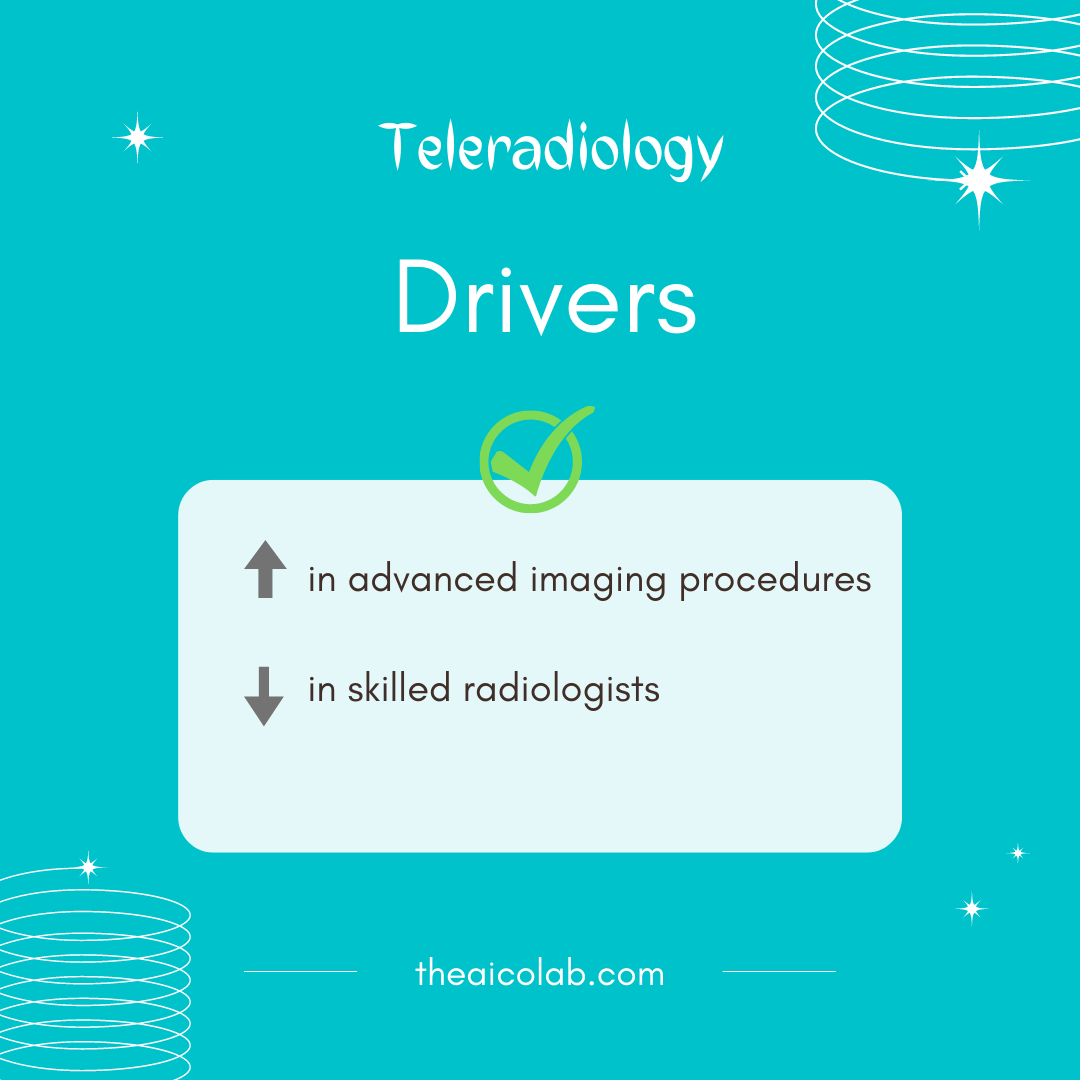
What are the key drivers of teleradiology? – The increase in the number and types of medical images captured that would require trained specialists to interpret and the global shortage of these trained specialists.
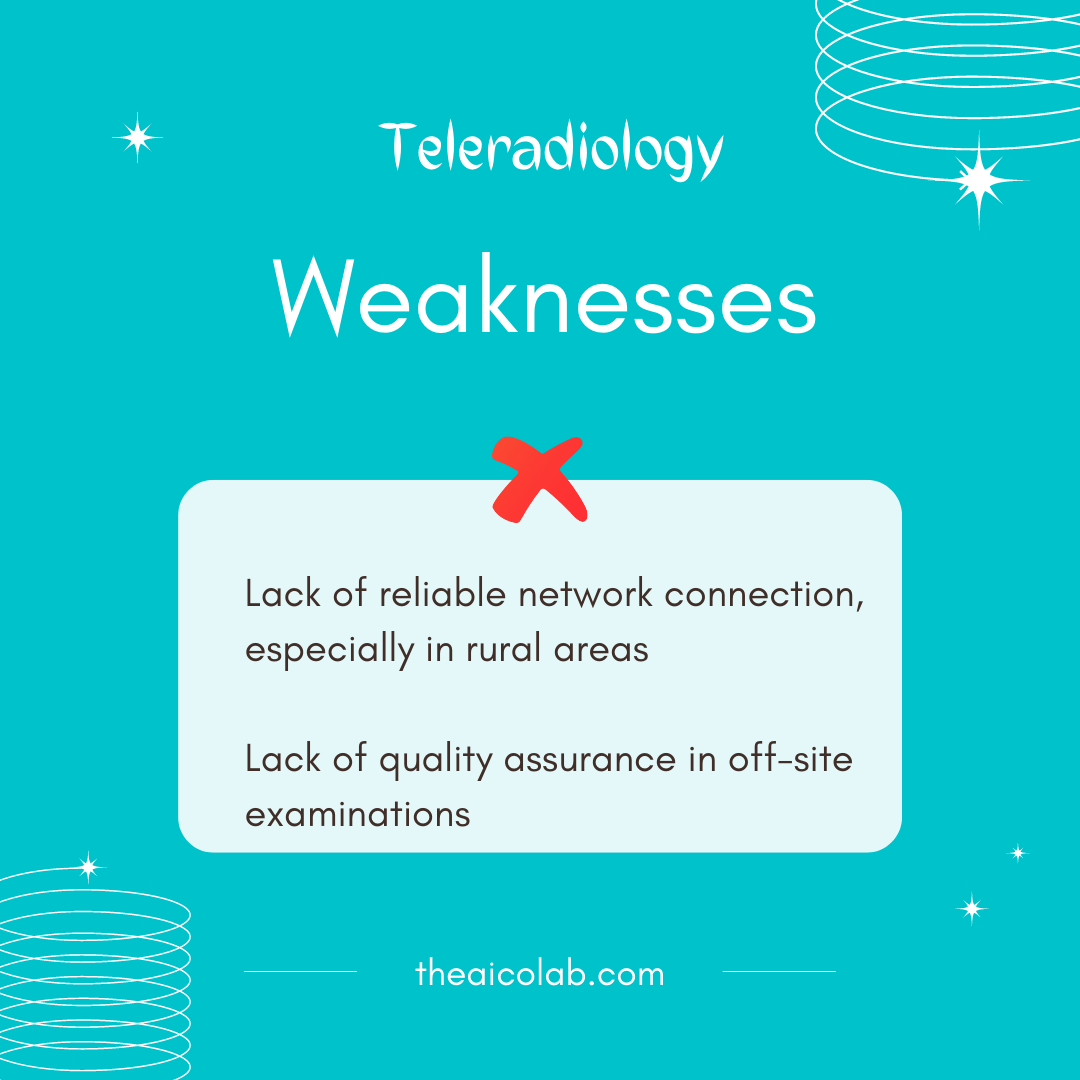
What are the key challenges in teleradiology adoption? – Surveys point out the lack of quality in off-site examinations as a key challenge. Moreover, rural areas which really could use teleradiology still lack reliable high-speed internet connections for quick and quality image transfer and video consultations.
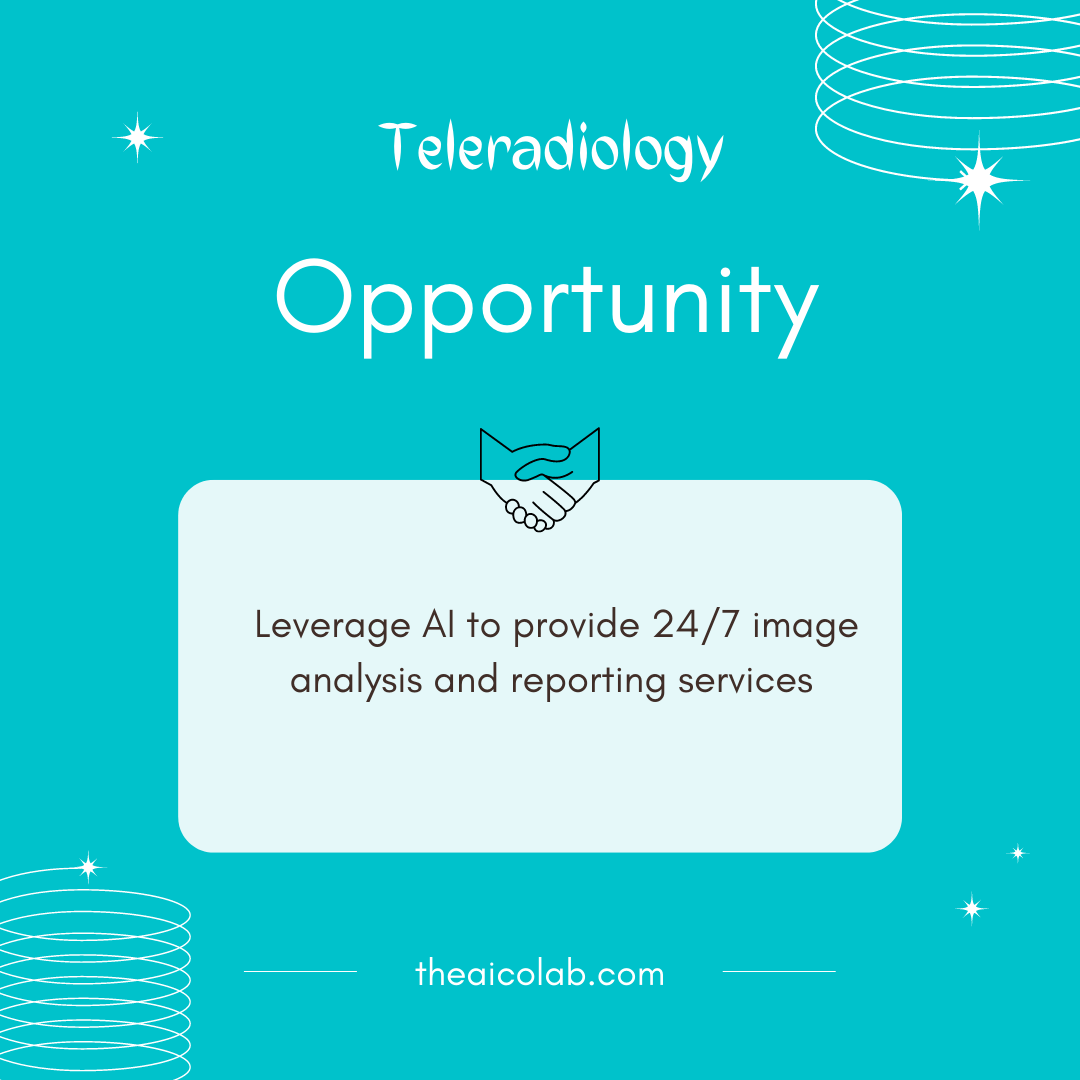
What is an opportunity to improve teleradiology? – As with many digital health products and services, human analysis of data and image acquired could be augmented with machine analysis – adoption of AI and image radiomics!
What are the threats to the adoption of teleradiology? – Data breach/loss could affect the quality of analysis and reporting. Cybersecurity risks to confidential patient health information is also another threat.

The pandemic has created a huge shift in the telemedicine adoption among both physicians and patients. With more use, the challenges and threats listed above will be slowly mitigated and there will be more success in the adoption of teleradiology.
 IMPACT Labs Academy
Leave a comment